









Elephant Mountain Hai Phong: A Complete Travel Guide
Elephant Mountain Hai Phong is a scenic and historical destination in An Lao, known for its limestone landscape, caves, mountain viewpoints, and cultural sites. The area is suitable for a short nature-focused trip from Hai Phong or Hanoi, especially for travelers who enjoy light hiking and local heritage. With Joytime Vietnam Travel, you can plan the route, timing, and key stops more easily for a smoother visit.
1. Overview of Elephant Mountain Hai Phong
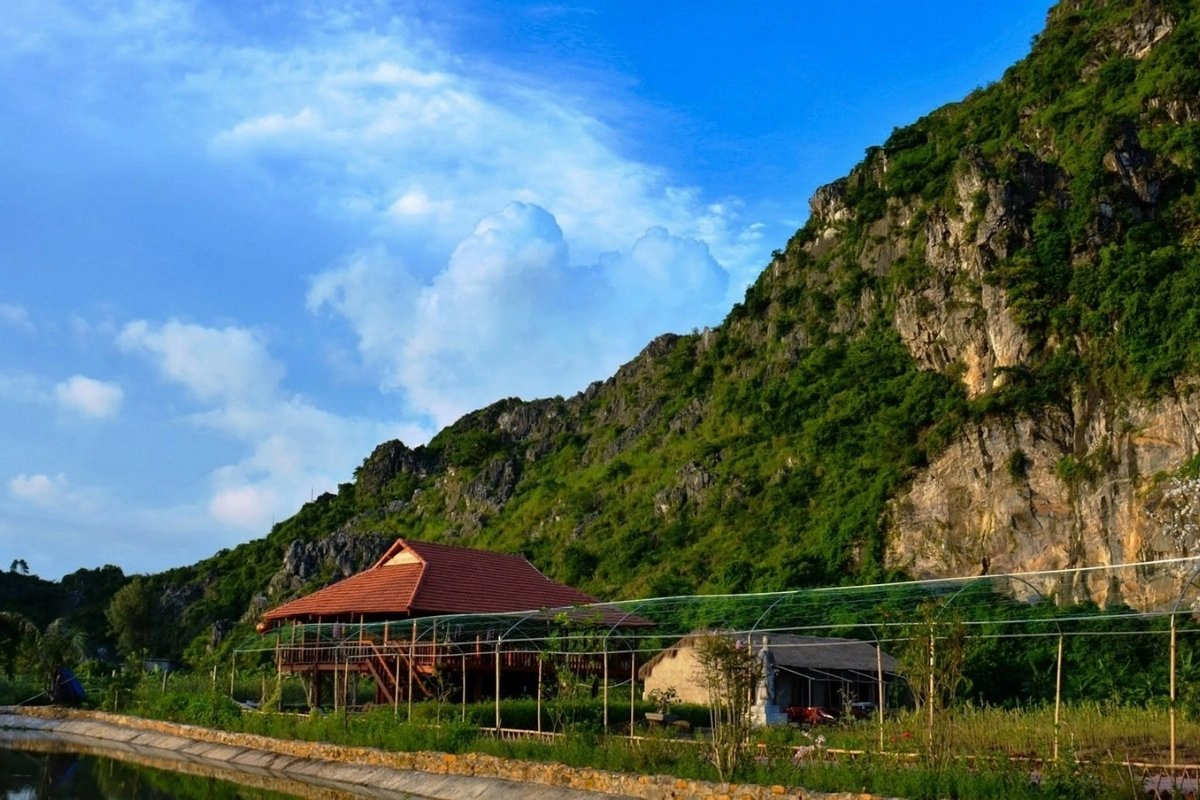
Elephant Mountain Hai Phong heritage - Source: VinWonders
Elephant Mountain, or Nui Voi, is part of the Nui Voi–Xuan Son complex in the An Lao area, around 20 km from central Hai Phong. Its importance comes from an unusual combination of mixed rocky and earthen hills, archaeological remains, and a long history as a strategic position in the western gateway of Hai Phong.
1.1. Elephant Mountain Hai Phong Location and Natural Setting
Unlike a single limestone peak, Elephant Mountain is a cluster of rocky and earthen hills that rise and curve across the surrounding lowland. Historically, the Nui Voi–Xuan Son complex extended through the areas of Truong Thanh, An Tien, and An Thang. From a distance, the connected ridges resemble a large reclining elephant, which gave the site its name.
The natural setting is defined by:
- Mixed rock and soil formations: The hills alternate between exposed rocky sections and vegetation-covered slopes rather than forming one uniform limestone block.
- Strong elevation contrast: The mountain rises abruptly above rice fields and settlements, making its outline clearly visible from the surrounding plain.
- Karst-influenced terrain: The rocky structure has created natural cavities and underground formations within the mountain, a feature that shapes much of the site’s geology.
1.2. History and Cultural Significance of Elephant Mountain
Elephant Mountain is particularly important because evidence of human activity here extends back more than 2,500 years. Archaeological research beginning in the 1930s identified the area as a significant site dating from the late Bronze Age to the early Iron Age, positioned within an ancient cultural exchange zone between inland northern Vietnam and the northeastern coast.
Key historical layers include:
- Ancient settlement: Finds such as stone axes, adzes, grinding tools, bronze spearheads, and bronze daggers connect the area with communities influenced by Dong Son and Ha Long cultures.
- Mac Dynasty period: The mountain’s defensible terrain became part of the military system protecting Duong Kinh; historical records still mention traces of Mac-era canals and fortifications in the area.
- Modern wartime history: Elephant Mountain later served as a revolutionary base during the resistance against the French and as an important anti-aircraft position protecting Hai Phong during the war against the United States.
- National recognition: The Nui Voi–Xuan Son complex was officially classified as a national historical and scenic site on April 28, 1962, making it one of Hai Phong’s earliest nationally recognized heritage sites.
>> Explore more: Tour Hai Phong Ha Long: The Best Ha Long Bay Trips from Hai Phong

2. What to See and Do at Elephant Mountain Hai Phong
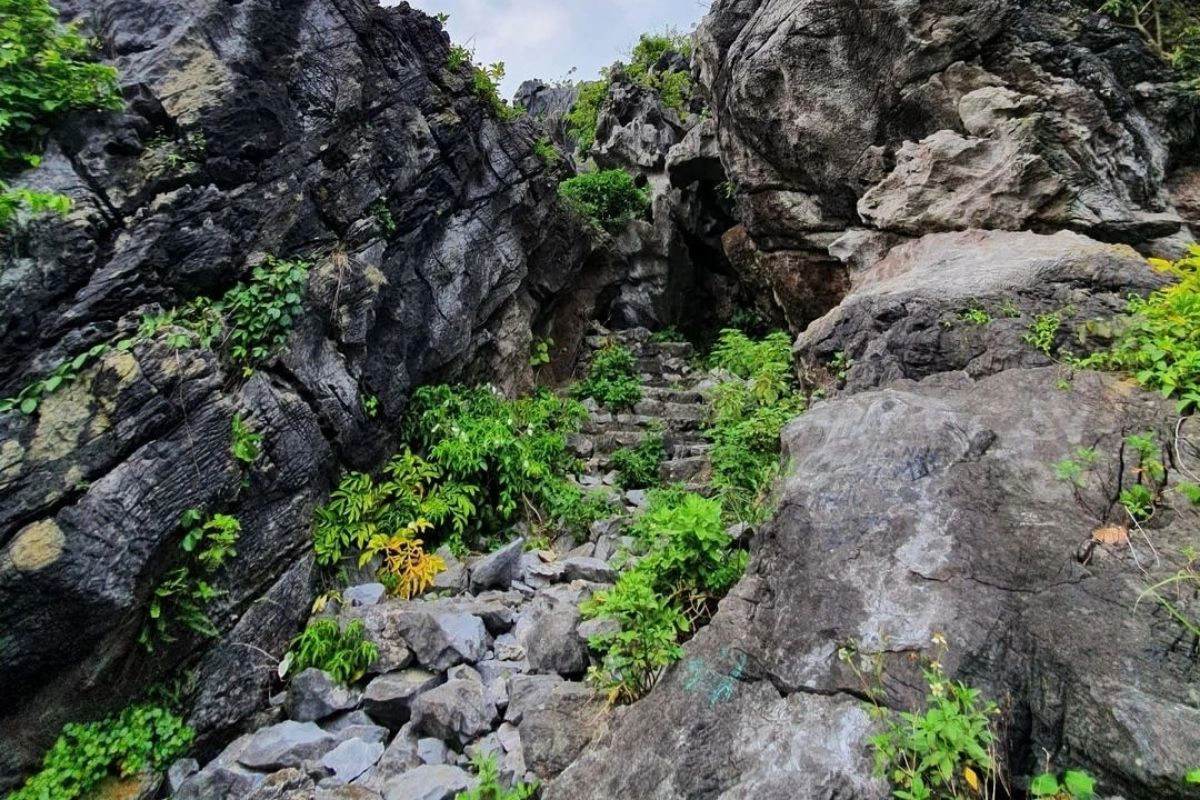
Exploring Elephant Mountain Hai Phong - Source: VinWonders
A visit to Elephant Mountain is best approached as a combination of cave exploration, short mountain climbing, and heritage sightseeing. The main attractions are spread through the limestone complex rather than concentrated at a single viewpoint.
2.1. Exploring the Cave System at Elephant Mountain
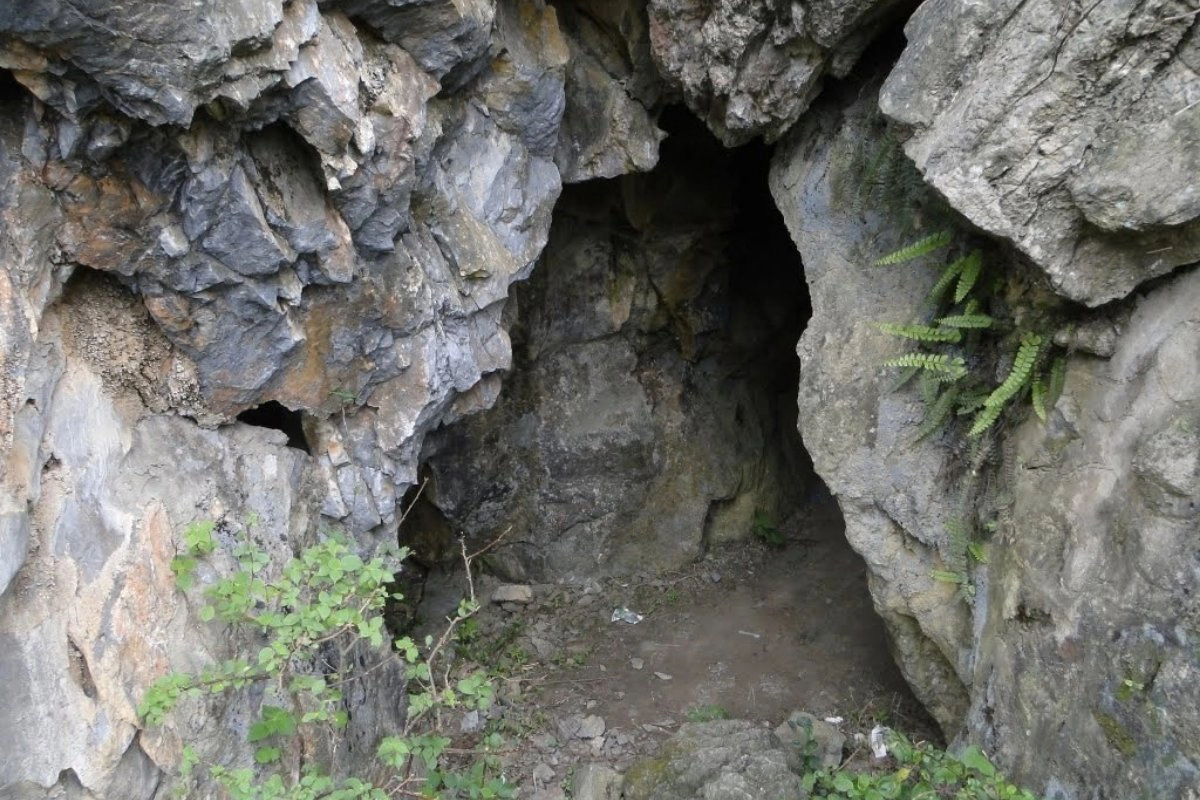
The limestone terrain has formed a network of caves and natural cavities throughout Nui Voi. Among the names associated with the complex are Hang Voi, Hang Chieng, Hang Be, Hong Voi, Nam Tao, Bac Dau, Ca Chep, and Long Tien.
What makes the caves worth exploring is their variation rather than sheer size:
- Hong Voi Cave features naturally formed stalactites and stalagmites within an irregular limestone chamber.
- Nam Tao and Bac Dau caves are among the better-known caves within the heritage complex.
- Chieng, Be, and Ca Chep caves have rougher rock surfaces and narrower natural formations that preserve a more rugged character.
- Some cave walls contain traces of marine shells at elevations above the surrounding ground, reflecting changes in the area’s geological environment over time.
The cave system therefore adds a geological dimension to the visit, allowing travelers to see how water erosion and mineral deposits have shaped the interior of Nui Voi.
2.2. Hiking to Mountain Viewpoints and Scenic Spots
Hiking at Elephant Mountain is more about climbing through short, elevated sections than completing a long-distance trail. Stone steps and older mountain paths lead gradually upward, with views opening wider as visitors move away from the lower heritage area.
From higher sections, the landscape includes:
- Rice fields extending across the An Lao lowland.
- Villages and farmland clustered around the foot of the mountain.
- Smaller rocky ridges belonging to the wider Nui Voi complex.
- Open stretches of the surrounding river and agricultural landscape.
The most distinctive view comes from the contrast between the steep limestone slopes and the flat countryside below. This makes the upper sections especially useful for landscape photography and for understanding the full scale of the mountain complex.
2.3. Visiting Historical and Spiritual Sites
Several cultural sites are located around Nui Voi, allowing visitors to combine the mountain landscape with local religious and historical heritage.
Notable stops include:
- Le Chan Temple: A worship site dedicated to General Le Chan, with a traditional ceremonial hall and inner sanctuary.
- Long Hoa Pagoda: A large Buddhist complex arranged along a central architectural axis, including entrance gates, worship halls, monastic buildings, and a stupa.
- Chi Lai Communal House: A traditional village communal structure dedicated to Cao Son Dai Vuong, representing the local practice of tutelary deity worship.
- Chi Lai Pagoda: Also known as Linh Son Tu, this Buddhist site retains elements of traditional wooden architecture.
- Hang Thanh Uy: A cave adapted for administrative and wartime use, giving visitors a clearer view of how Nui Voi’s natural terrain was incorporated into historical activities.
Together, these sites make Elephant Mountain more than a simple hiking destination. Travelers can move between caves, elevated landscapes, Buddhist buildings, village worship spaces, and preserved historical locations within the same heritage area.
>> Explore more: Tour Hai Phong Sapa for the Best Northern Vietnam Adventure
3. How to Get to Elephant Mountain Hai Phong
Getting to Elephant Mountain Hai Phong - Source: VinWonders
Elephant Mountain is accessible from both central Hai Phong and Hanoi. Private vehicles provide the most direct journey, while public transport usually requires an additional local transfer.
3.1. Traveling to Elephant Mountain from Hai Phong City Center
Elephant Mountain is around 20 km southwest of central Hai Phong, with a typical road journey of approximately 30–45 minutes. A commonly used route runs via Niem Bridge → Truong Chinh → Le Duan → Hoang Thiet Tam → Road 360 → Hoang Quoc Viet, followed by the local road toward the Nui Voi area.
The most practical transport options are:
- Motorbike: Convenient for solo travelers or couples because it is easy to continue along smaller local roads near the mountain.
- Private car: Suitable for families and groups. It is particularly practical when Elephant Mountain is one stop in a wider Hai Phong tour, as you can continue to other attractions without returning to the city center between stops.
- Taxi or ride-hailing car: Useful if you do not want to navigate the suburban road network yourself. Arrange the return journey in advance if you plan to stay for several hours.
- Public transport: Less convenient for a direct visit because the final section still requires a local transfer to the mountain area.
When using a navigation app, avoid entering only “Elephant Mountain” if several pins appear. Set the specific Nui Voi heritage area or the exact first stop in your itinerary to reduce unnecessary driving between different access points.
If you are comparing what to do in Hai Phong beyond the central districts, Nui Voi works well as a half-day side trip because the road journey from downtown is relatively short.
3.2. Getting to Elephant Mountain Hai Phong from Hanoi
From central Hanoi, the journey is roughly 100–110 km depending on the starting point and usually takes around 2–2.5 hours. Travelers can approach An Lao directly without first driving into central Hai Phong.
By private car, the most efficient route is:
Hanoi → Hanoi–Hai Phong Expressway (CT04) → National Highway 10 exit → An Lao → Nui Voi.
After leaving the expressway near An Lao, continue toward the Nui Voi area using the local road network. This avoids the unnecessary detour through central Hai Phong before heading southwest again.
For travelers without a private car, two combinations are more practical:
- Limousine or coach + taxi: Travel from Hanoi toward Hai Phong, then take a taxi from a convenient drop-off point to Elephant Mountain.
- Train + taxi: Take the Hanoi–Hai Phong train to Hai Phong Station, then continue approximately another 20 km by road to Nui Voi. This option is easy to organize but adds extra travel because the railway ends in the city center.
Travelers riding a motorbike from Hanoi should use the older National Highway 5 corridor rather than the Hanoi–Hai Phong Expressway, then connect toward An Lao. For a same-day trip, a private car remains the simpler option because it provides more direct access to the mountain area.
>> Explore more: Hai Phong Harbor: A Guide to the City’s Port and Waterfront

4. Planning Your Visit to Elephant Mountain Hai Phong
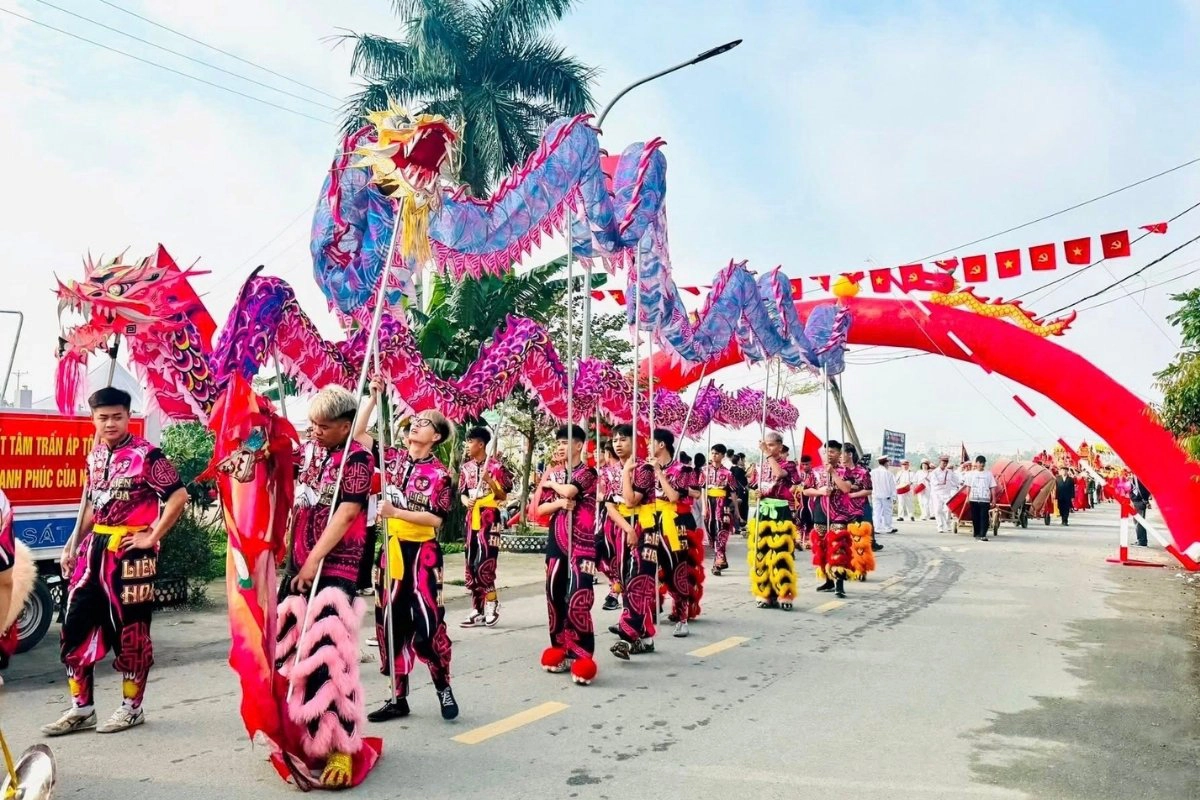
Best time to visit Elephant Mountain - Source: Bao Cong ly
A little preparation makes a noticeable difference at Elephant Mountain, especially because the visit combines exposed outdoor areas, rocky slopes, and caves. Weather and festival dates can also change the atmosphere significantly.
4.1. Best Time to Visit Elephant Mountain and Festival Season
Spring is one of the best periods to visit, with milder temperatures and greener surroundings than during the hotter summer months. For hiking and photography, choose a dry day with clear visibility; rain can make stone steps and exposed limestone noticeably more slippery.
The experience changes depending on when you visit:
- Spring: Comfortable for combining outdoor walking with cultural sightseeing. This is also the liveliest period around the mountain.
- Summer: Possible, but heat and humidity make uphill sections more tiring. An early-morning visit is preferable to walking during midday.
- Autumn: A good option for a quieter trip, particularly on clear, dry days when visibility across the surrounding countryside is better.
- After heavy rain: Postpone cave exploration or steeper climbs where possible, as wet limestone and muddy sections can reduce traction.
The Elephant Mountain Traditional Festival is held annually in the first lunar month. In 2026, the main program ran from February 27 to March 1, corresponding to the 11th–13th days of the first lunar month, with processions, incense offerings, lion and dragon dances, folk games, sports, performances, and spring camps.
Festival days are best for travelers interested in local culture, but they also bring larger crowds around the religious sites and main gathering areas. For a quieter hiking-focused visit, choose another spring weekday rather than the main festival period.
4.2. What to Bring and Safety Tips for the Trip
Elephant Mountain does not require technical trekking equipment, but ordinary city footwear is not ideal for its uneven rock, stone steps, and potentially damp cave surfaces. Pack for a short mountain outing rather than a casual urban walk.
Useful items include:
- Shoes with good grip: Sports shoes or light hiking shoes are safer than sandals on exposed limestone and damp steps.
- Drinking water: Carry enough for the climb instead of relying on finding refreshments once you move higher up the mountain.
- Small flashlight or headlamp: Useful around darker cave sections even if you also have a phone light.
- Hat and sunscreen: Important on exposed sections with limited shade, particularly from late morning onward.
- Light rain layer: Weather can change quickly, but avoid continuing onto slippery rock during heavy rain.
- Insect repellent: Useful around vegetated and humid sections of the complex.
- Small amount of cash: Practical for local purchases and small on-site expenses.
Inside caves, stay within accessible sections and avoid entering deeper, poorly lit passages without local guidance. Do not climb wet rock faces simply for a better photo, as limestone can become extremely slick after rain. Travelers with young children or older family members should also assess steep steps individually rather than assuming every part of the mountain is equally accessible.
>> Explore more: 2D1N Tour | Relaxing at Lan Ha Bay and Viet Hai Village on Sunlight Premium Cruise 9 cabin
5. FAQs About Elephant Mountain Hai Phong
5.1. Is There an Entrance Fee for Elephant Mountain Hai Phong?
There is currently no clearly published general entrance fee for the entire Elephant Mountain complex. Some individual attractions or managed services may charge separately, so check the posted price before using them.
5.2. Can Visitors Camp Overnight at Elephant Mountain?
Overnight camping is not officially promoted as a standard activity at Elephant Mountain. Visitors should contact the local management authority in advance if they plan to camp rather than setting up independently.
5.3. Are Food and Drink Available Near Elephant Mountain?
Yes. Small eateries and drink stalls are available in the surrounding An Lao area and near the main access zones. The selection is generally local and simple rather than focused on large restaurants or tourist dining facilities.
With its limestone landscape, caves, viewpoints, and cultural sites, Elephant Mountain Hai Phong offers a well-rounded trip for travelers who want to explore both nature and local heritage. Because the main attractions can be combined within a relatively compact area, the destination fits easily into a short Hai Phong itinerary. For a smoother journey, Joytime Vietnam Travel can help arrange the route, transport, and nearby stops to make the most of your visit.
|
Joytime Travel Agency - Travel JOY, TIMEless Vietnam Safe, Seamless, Satisfying, Sustainable Follow us for travel tips, local insights, and exclusive offers:
|

Danish Nguyen
Danish Nguyen is a renowned travel blogger in Vietnam with over 5 years of experience sharing unique travel experiences. With a passion for exploring new places, Danish captures incredible moments and provides readers with valuable tips to discover the beauty of his homeland.