









How Far from Danang to Sapa? Distance & Travel Time
The main content of the article
- 1. How Far Is It from Da Nang to Sapa?
- 2. The Fastest Route: Fly Da Nang to Hanoi, Then Bus/Van to Sapa
- 3. Best Budget Route: Direct Sleeper Bus from Da Nang to Sapa
- 4. Best for Scenery: Overnight Train via Hanoi
- 5. Best Experience: Private Car or Motorbike
- 6. All Routes: Da Nang to Sapa Compared
- 7. Suggested Itinerary: Da Nang - Hue - Hanoi - Sapa
- 8. Practical Travel Tips: Da Nang to Sapa
- 9. Final Thoughts
If you are planning a trip from Da Nang to Sapa, you're in for one of Vietnam's most rewarding cross-country journeys from the coast to the clouds. Da Nang and Sapa sit roughly 750–1,100 km apart depending on your route, and there is no single direct connection. But with the right plan, you can reach the terraced rice fields of Sapa comfortably, affordably, and even scenically.
This guide covers every transport options including flight, sleeper bus, overnight train, and private car with up-to-date schedules, costs, travel times, and tips to help you choose the best route for your style of travel.
1. How Far Is It from Da Nang to Sapa?
How Far Is It from Da Nang to Sapa?
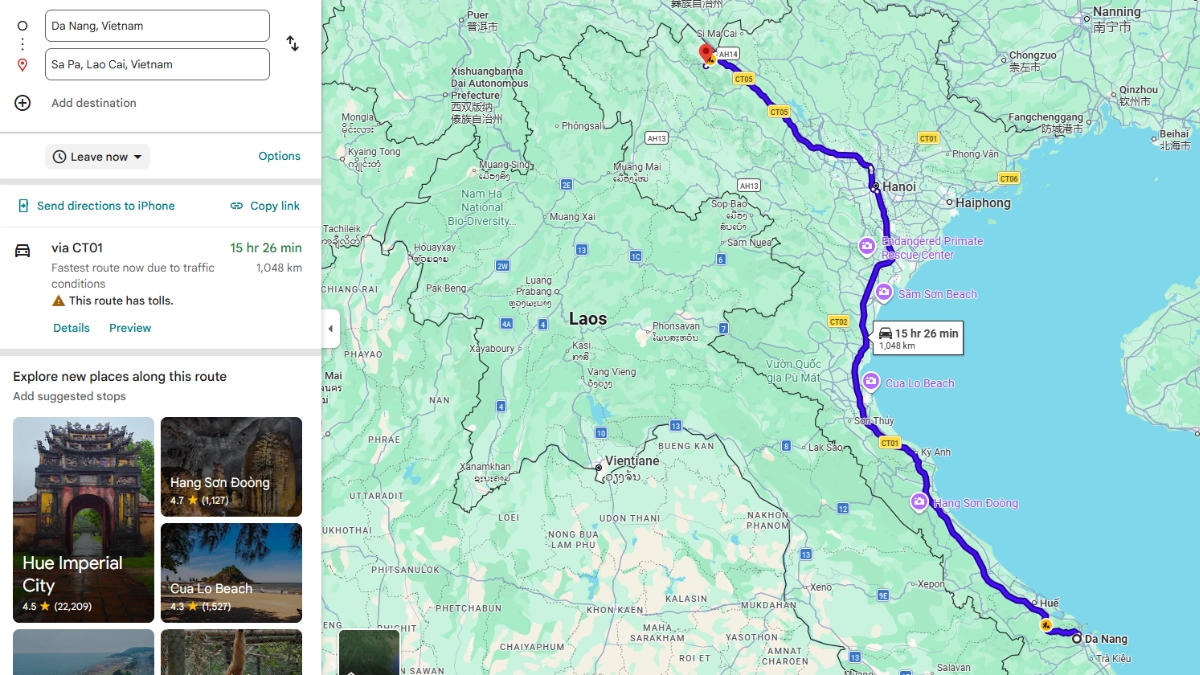
Da Nang is a coastal city in Central Vietnam, while Sapa is a highland town in the far northwest, near the Chinese border. The two cities are far from neighboring as they sit in completely different geographic zones of the country. Here is a quick breakdown of how far is it from Da Nang to Sapa on your chosen method:
|
Category |
Details |
|
By Air (Da Nang to Hanoi) |
~680 km (flight leg only) |
|
By Road (total journey) |
~950–1,100 km |
|
By Train via Hanoi |
~1,050–1,100 km |
|
Straight-line distance |
~680 km |
Since there is no direct transport link from Da Nang to Sapa, every traveler must route through Hanoi or Lao Cai. The most practical entry point to Sapa is Lao Cai city, which is the last major stop before the mountain town of about 38 km away.
Thankfully, you have four solid travel options, each with its own vibe, budget, and time commitment.
2. The Fastest Route: Fly Da Nang to Hanoi, Then Bus/Van to Sapa

The Fastest Route: Fly Da Nang to Hanoi, Then Bus/Van to Sapa
If time matters most, flying from Da Nang to Hanoi and then continuing to Sapa by bus or van is the fastest and most efficient option. It works especially well for travelers on tight schedules, families, or anyone who wants to avoid long, tiring journeys.
2.1 Schedule
The flight from Da Nang (DAD) to Hanoi (HAN/Noi Bai) takes approximately 1 hour 15 minutes. Multiple airlines including Vietnam Airlines, VietJet Air, Bamboo Airways, and Vietravel Airlines operate this route with frequent daily departures, often every hour or two from early morning to late evening. From Hanoi, you have two good options to get to Sapa, either by:
-
Limousine/sleeper van departs from My Dinh or Gia Lam bus stations, taking about 4.5 to 5.5 hours to reach Sapa, with evening departures around 9 to 11 PM being the most popular.
-
Sleeper buses are a more budget-friendly option, departing from Nuoc Ngam or My Dinh stations and taking around 5 to 6 hours.
2.2 Travel Time
Approximately 5–7 hours (excluding airport check-in and wait time). You can add 2–3 hours buffer if taking an evening van to arrive in Sapa by morning.
2.3 Cost Estimate
The total cost for traveling from Da Nang to Sapa via Hanoi can vary depending on how early you book, the airline you choose, and the type of transport from Hanoi to Sapa.
|
Category |
Details |
|
Da Nang to Hanoi flight |
$30–$90 (economy, one-way) |
|
Hanoi to Sapa limousine van |
$15–$25 per person |
|
Hanoi to Sapa sleeper bus |
$10–$18 per person |
|
Total estimated cost |
$45–$130 per person |
2.4 Tips
A few simple tips can help you save money, travel more comfortably, and make the most of your journey from Da Nang to Sapa:
-
Book flights at least 2–3 weeks in advance for the best fares, especially during peak months (September–October, December–January).
-
Choose a night van or bus from Hanoi (departing around 9–10 PM) to arrive in Sapa fresh in the morning to maximize your first day.
-
Limousine vans (9-seat Mercedes or 16-seat vehicles) are more comfortable and faster than standard sleeper buses on this leg.
-
Grab a Grab taxi or airport bus (86, 17) from Noi Bai Airport to the bus station, which costs about $2–$5 by bus or $12–$15 by taxi.
3. Best Budget Route: Direct Sleeper Bus from Da Nang to Sapa

Best Budget Route: Direct Sleeper Bus from Da Nang to Sapa
For backpackers and budget travelers, the overnight sleeper bus from Da Nang to Sapa is a classic choice. It’s a long journey, but it saves a night’s accommodation and gets you straight to the mountains by morning. Ideal for solo travelers and adventurous couples, it’s an affordable and authentic way to cover the distance without spending much.
3.1 Schedule
Direct and semi-direct sleeper buses run daily between Da Nang and Sapa, operated by companies like Hung Thanh, The Sinh Tourist, and Camellia Travel. Departures usually take place in the late afternoon or evening (around 5 - 8 PM), with arrival in Sapa the next day between 10 AM and 1 PM.
Most services pass through Hanoi with a short stop but continue on the same bus, so you won’t need to transfer..
3.2 Travel Time
The full journey usually takes around 18 to 22 hours, depending on traffic, road conditions, and delays through Hanoi. The final stretch from Lao Cai to Sapa adds another 1 to 1.5 hours, since winding mountain roads that can slow things down.
3.3 Cost Estimate
Prices for the direct bus from Da Nang to Sapa are fairly affordable, with options ranging from standard sleeper buses to more comfortable VIP services, and no extra transfers required along the way:
|
Category |
Details |
|
Da Nang to Sapa direct sleeper bus |
$25–$45 per person (one-way) |
|
Premium/VIP sleeper bus |
$40–$55 per person |
|
No additional transport needed |
— |
3.4 Tips
To make the long trip smoother and more comfortable, it helps to plan ahead and keep a few practical tips in mind:
-
Book with trusted operators like Hung Thanh or reliable platforms such as Baolau or 12Go Asia for better service and clear schedules
-
Bring a neck pillow and a light blanket since the bus can get cold, especially in the mountain section
-
Choose a lower bunk for easier access and a more stable ride on winding roads
-
Pack snacks and keep your phone or power bank fully charged for the long 1,000 km journey
-
Double-check your drop-off point, as some buses stop in central Sapa while others arrive at a station about 2 km away

4. Best for Scenery: Overnight Train via Hanoi
Best for Scenery: Overnight Train via Hanoi
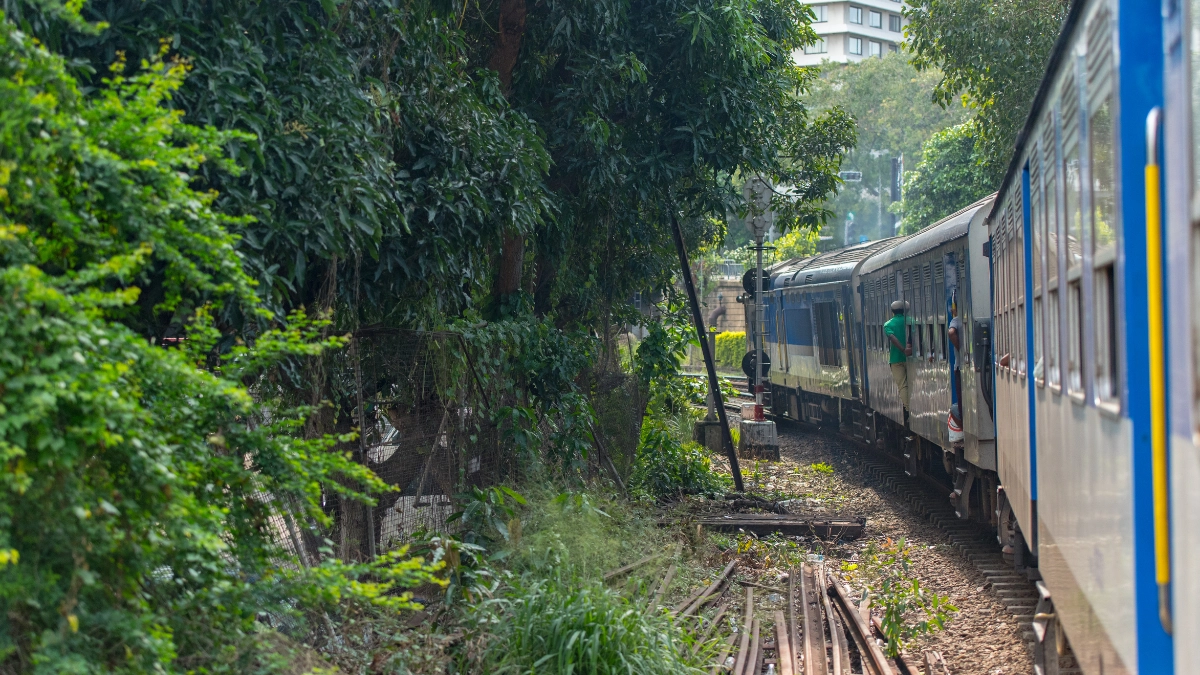
The train is the most scenic and atmospheric way to travel from Da Nang to Sapa. It’s the slowest option, but for many, that’s part of the appeal. You’ll take the Reunification Express from Da Nang to Hanoi, then continue on the overnight train to Lao Cai, the gateway to Sapa. Ideal for slow travelers, couples, and train lovers, it offers a comfortable overnight journey with beautiful mountain views as you approach the north.
4.1 Schedule
This route is done in two stages.
-
Da Nang to Hanoi by train: Take the Reunification Express train from Da Nang to Hanoi, with several departures each day. The journey takes about 15 to 17 hours, and evening trains typically arrive in Hanoi the next morning.
-
Hanoi to Lao Cai by train: Continue on a night train to Lao Cai, with tourist services like Livitrans, Victoria Express, and Orient Express Sapa departing around 9 to 10 PM and arriving early the next morning.
From Lao Cai, it’s a final 1 to 1.5 hour transfer by bus or taxi up the mountain to reach Sapa.
4.2 Da Nang to Sapa Train Travel Time
The full journey takes around 24 to 30 hours, including the transfer in Hanoi. In most cases, you’ll need to spend a night in Hanoi between trains, unless you plan the connections very carefully.
4.3 Cost Estimate
Costs for the train journey vary depending on the level of comfort you choose, especially for sleeper cabins, along with the final transfer up to Sapa:
|
Category |
Details |
|
Da Nang to Hanoi (soft sleeper, 4-berth) |
$30–$55 per person |
|
Hanoi to Lao Cai (tourist sleeper cabin) |
$30–$70 per person |
|
Lao Cai to Sapa (bus or taxi) |
$4–$15 per person |
|
Total estimated cost |
$64–$140 per person |
4.4 Tips
A bit of planning can make this train journey much smoother and more enjoyable, especially when it comes to timing, comfort, and ticket availability:
-
Book the Hanoi to Lao Cai tourist trains early, as they sell out quickly, especially on weekends and in peak months like October and November
-
Take the Da Nang to Hanoi train during the day if possible to enjoy scenic views, including Hue and the Hai Van Pass coastline
-
Use platforms like Vietnam Railways, Baolau, or 12Go Asia to book tickets easily, even if there’s a small extra fee
-
Consider staying 1 to 2 nights in Hanoi to break up the journey and explore the Old Quarter
-
Choose tourist sleeper cabins for the Hanoi to Lao Cai leg for better comfort, with options for private 2 or 4 berth cabins
5. Best Experience: Private Car or Motorbike

Best Experience: Private Car or Motorbike
For those who want the full journey, traveling by private car or motorbike offers unmatched freedom. This option lets you explore hidden spots along the way, from coast to mountains, from Da Nang and Hue to Hanoi and the misty hills of Sapa. It’s a longer route, but easily the most immersive and unforgettable way to travel.
5.1 Schedule
There’s no fixed route here and you can freely build your own journey. A common itinerary from Da Nang to Sapa looks like this:
-
Day 1: Da Nang to Hue (100 km, ~2.5 hrs by car via Hai Van Pass or tunnel)
-
Day 2: Hue to Phong Nha or Dong Hoi (180 km, ~3–4 hrs)
-
Day 3: Continue north toward Ninh Binh or Hanoi (~350–400 km)
-
Day 4–5: Hanoi to Sapa via Lao Cai (~320 km, ~5–6 hrs by car)
By car, each leg is manageable within a few hours, but by motorbike, the pace is slower and more immersive, so it’s best to allow around 5 to 7 days for the full trip.
5.2 Travel Time
You should expect around 2 to 3 days by private car for a comfortable pace, while motorbike trips usually take 4 to 7 days, allowing more time to enjoy the scenery along the way.
5.3 Cost Estimate
Costs for this route vary widely depending on whether you travel by motorbike or hire a private car, as well as your comfort level and accommodation choices along the way:
|
Category |
Details |
|
Private car hire (full trip) |
$200–$450+ (driver + fuel) |
|
Motorbike rental (per day) |
$8–$20/day (semi-automatic) |
|
Fuel (Da Nang to Sapa) |
$20–$40 by motorbike |
|
Accommodation along the way |
$10–$50/night per person |
|
Total (motorbike) |
$150–$300 for budget travelers |
|
Total (private car w/ driver) |
$300–$500+ |
5.4 Tips:
Take note that preparation goes a long way on this long-distance journey, especially when it comes to safety, navigation, and making the most of the experience:
-
Make sure your motorbike is in good condition with reliable brakes, lights, and rain gear, as mountain roads near Sapa can be challenging
-
Ride over Hai Van Pass instead of taking the tunnel to enjoy one of Vietnam’s most iconic routes
-
Download offline maps in advance since mobile signal can be unreliable in remote areas
-
Agree on your full route and stops beforehand if hiring a private car, and confirm everything clearly with the driver
-
Check that your travel insurance covers motorbike riding to avoid issues in case of accidents
-
Plan your trip between September and November for cooler weather and the best views of golden rice terraces
6. All Routes: Da Nang to Sapa Compared

All Routes: Da Nang to Sapa Compared
Choosing the right way to travel from Da Nang to Sapa depends on your priorities. Take a look at this quick side-by-side comparison to decide which option fits your trip best:
|
Route Option |
Distance |
Travel Time |
Cost (USD) |
Best For |
|
Fly + Bus/Van |
~750 km (air) |
~5–7 hrs total |
$60–$150 |
Speed & comfort |
|
Direct Sleeper Bus |
~1,000 km |
~18–22 hrs |
$25–$45 |
Budget travelers |
|
Train via Hanoi |
~1,100 km |
~24–30 hrs |
$40–$90 |
Scenic journey lovers |
|
Private Car/Motorbike |
~1,000 km |
2–5 days |
$150–$400+ |
Adventure seekers |
In short, each route offers a different trade-off, so the best choice depends on whether you value getting there quickly, saving money, or enjoying the journey along the way.
|
Recommendation For most travelers, flying Da Nang to Hanoi and then taking a night van to Sapa offers the best balance of speed, comfort, and cost. If you have more time, the sleeper bus is unbeatable value, and the train is the most atmospheric experience in Vietnam. |
7. Suggested Itinerary: Da Nang - Hue - Hanoi - Sapa

Suggested Itinerary: Da Nang - Hue - Hanoi - Sapa
If you have 10 - 14 days in Vietnam, this route gives you the perfect mix of beaches, culture, history, and mountains from central coast vibes to northern highlands adventure.
7.1 Days 1 - 2: Da Nang
Start with relaxation and light exploration. Enjoy the beach at My Khe Beach, visit the scenic Marble Mountains, and see the famous Dragon Bridge. Try local dishes like Mi Quang (Da Nang) and banh mi, and stay near the beach or city center.
7.2 Days 3 - 4: Hue
Travel to Hue via the scenic Hai Van Pass or by train. Explore the historic Imperial City of Hue, visit royal tombs, and stop by Thien Mu Pagoda. Don’t miss Bun Bo Hue and other local specialties. Stay near the Perfume River.
7.3 Days 5 : Hanoi
Fly or take a train to Hanoi. Wander around Hoan Kiem Lake and the Old Quarter, visit the Temple of Literature and Ho Chi Minh Mausoleum. Enjoy street food like pho, bun cha, and egg coffee at Cafe Giang. Stay in the Old Quarter.
7.4 Days 8 - 11: Sapa
Travel overnight from Hanoi to Sapa by train or van. Explore rice terraces in Muong Hoa Valley, visit Cat Cat Village, and take the cable car to Fansipan. A guided trek with a local H’mong guide is highly recommended. Stay in Sapa town or a valley eco-lodge.
7.5 Days 12 - 14: Return Options
Return to Hanoi by train or bus and fly home, or loop back to Da Nang. If you have more time, continue your journey to Ha Giang for more adventure.
8. Practical Travel Tips: Da Nang to Sapa

Practical Travel Tips: Da Nang to Sapa
Before traveling from Da Nang to Sapa, keep a few key tips in mind to make the trip smooth and stress-free.
8.1 Best Time to Travel
Start by choosing the right season. Sapa is at its best from September to early November when rice terraces turn golden, or from March to May with cooler weather and blooming landscapes. Try to avoid peak rainy months like July and August, when travel can be disrupted.
- When to Visit Sapa Vietnam: Best Time for Every Travel Style
- How to Get to Sapa Vietnam: Best Routes, Costs & Travel Tips
8.2 What to Pack for the Journey
Always pack with the mountains in mind. Even in summer, temperatures can drop at night, so bring warm layers along with a rain jacket. Comfortable shoes are essential for trekking, and offline maps, a power bank, and cash in Vietnamese Dong will make your journey easier.
8.3 Booking Platforms
For transport, book in advance through reliable platforms like Baolau, 12Go Asia, or Bookaway. If you’re flying between cities, check deals on Traveloka or Skyscanner.
8.4 Currency & Budget
While some tourist spots accept USD, daily expenses like food and local transport are best paid in VND. A mid-range budget of $30–$50 per day works well in Sapa, excluding accommodation.
8.5 Safety
Da Nang and Sapa are both very safe for tourists, but it’s wise to use trusted services, keep important documents backed up, and consider travel insurance. In mountainous areas, hiring a local driver is often safer than navigating the roads yourself.
|
Frequently Asked Questions 1. How to get from Da Nang to Sapa? Travel from Da Nang to Sapa in four ways: fly via Hanoi (fastest, 5–7 hours), sleeper bus (cheapest, 18–22 hours), train via Hanoi + Lao Cai (24–30 hours), or private car/motorbike (2–5 days). 2. Is there a direct train from Da Nang to Sapa? No. Take a train from Da Nang to Hanoi (15–17 hrs), then a night train to Lao Cai (8–9 hrs), plus 1-hour transfer to Sapa. Total: ~24–30 hrs. 3. How to travel from Sapa to Da Nang? Reverse the route: bus/van to Lao Cai - train to Hanoi - flight to Da Nang (fastest, ~5–7 hrs). Sleeper bus is the budget option (18–22 hrs). 4. Is Da Nang close to Sapa? No. Da Nang is in central Vietnam, while Sapa is in the far north. Distance: ~680 km (direct) or 950–1,100 km by road. Fastest travel still takes 5–7 hours. |
9. Final Thoughts

Traveling from Da Nang to Sapa may take time, but it’s one of the most memorable routes in Vietnam, connecting beaches, cities, and mountain scenery in a single trip. With options ranging from flights and sleeper buses to trains via Hanoi or even private road trips, travelers can easily choose the best way based on budget, time, and comfort.
For more travel inspiration and helpful planning tips, visit Joytime and start planning your Vietnam adventure today!
|
Joytime Travel Agency - Travel JOY, TIMEless Vietnam Safe, Seamless, Satisfying, Sustainable Follow us for travel tips, local insights, and exclusive offers:
|

Danish Nguyen
Danish Nguyen is a renowned travel blogger in Vietnam with over 5 years of experience sharing unique travel experiences. With a passion for exploring new places, Danish captures incredible moments and provides readers with valuable tips to discover the beauty of his homeland.