








Best Time to Visit Vietnam January: Why Travelers Should Consider It?
Best time to visit Vietnam January is a topic many travelers search for when planning a trip to Vietnam at the beginning of the year. January offers many advantages, but there are also a few things to consider. In this article, Joytime Travel will help you understand the weather by region and choose the most suitable destinations for your trip.
1. Best time to visit Vietnam January: Is it worth traveling to Vietnam in January?
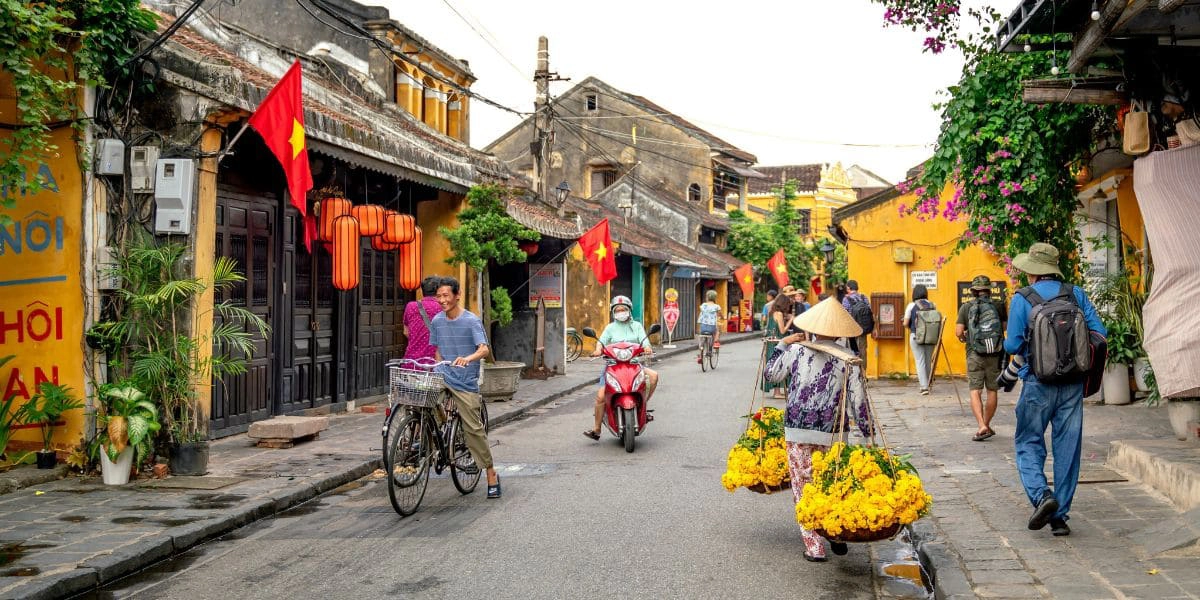
Best time to visit Vietnam January: Is it worth traveling to Vietnam in January? - Source: Quang Nguyen Vinh
January offers many advantages for traveling to Vietnam, from pleasant weather to more comfortable outdoor experiences. However, this month still comes with a few limitations to consider before finalizing your itinerary.
1.1. Advantages of visiting Vietnam in January
Choosing to explore Vietnam in January gives travelers strong advantages, thanks to the ideal combination of favorable natural conditions and a lively local cultural atmosphere.
Dry weather with clear regional differences
January is the peak of the dry season in Southern Vietnam and a time when rain showers are uncommon in the North. This stable weather helps reduce the risk of travel disruptions caused by severe conditions. With fewer prolonged rainy days, multi-destination itineraries from North to South can flow more smoothly.
Ideal temperatures for active experiences
Unlike the intense heat of summer, January brings much milder temperatures. Northern Vietnam often stays cool at around 15 to 20°C, while Southern Vietnam is typically around 28°C with lower humidity. The cooler weather helps reduce fatigue and dehydration, making it especially suitable for energy-demanding activities such as trekking or cycling.
A more authentic look at local culture
Travel Vietnam January often falls close to, or sometimes overlaps with, Lunar New Year, the most important cultural celebration in Vietnam. Craft villages become busier with year-end production, while streets are decorated with bright apricot blossoms and peach blossoms. The lively pre-Tet atmosphere offers a vivid and meaningful glimpse into local beliefs, traditions, and everyday life.
1.2. Things to consider when visiting Vietnam in January
To ensure a smooth trip during this peak travel month, travelers should be prepared for changes in travel costs, larger crowds, and noticeable weather differences between regions.
Market demand can drive service prices higher
January is the peak season for many Western travelers escaping the winter, while domestic travel demand also rises toward the end of the lunar year. This surge in demand often pushes airfares and accommodation rates higher, especially in popular destinations. Around the pre-Tet period, rising ingredient and operating costs may also affect prices at restaurants and local food services.
Popular attractions can become crowded
Major destinations such as Ha Long Bay, Hoi An, and Phu Quoc often receive a high volume of visitors in January. Large numbers of international travelers and year-end corporate tour groups can create local congestion at well-known attractions. This may reduce the sense of personal space and lead to longer waiting times at cable car stations, boat piers, and other busy service points.
Regional microclimates require smart packing
Because Vietnam stretches across many latitudes, January weather can vary greatly from one region to another. The North may experience cold spells from the northeast monsoon, especially in mountainous areas, while Central Vietnam is usually cool and the South remains warm and sunny. With temperature differences of more than 15°C between regions, travelers should pack both warm layers and light summer clothing.
>> Read more: Best Time to Visit Vietnam August: Beaches, Weather & Travel Guide
2. What makes Vietnam’s weather in January special?
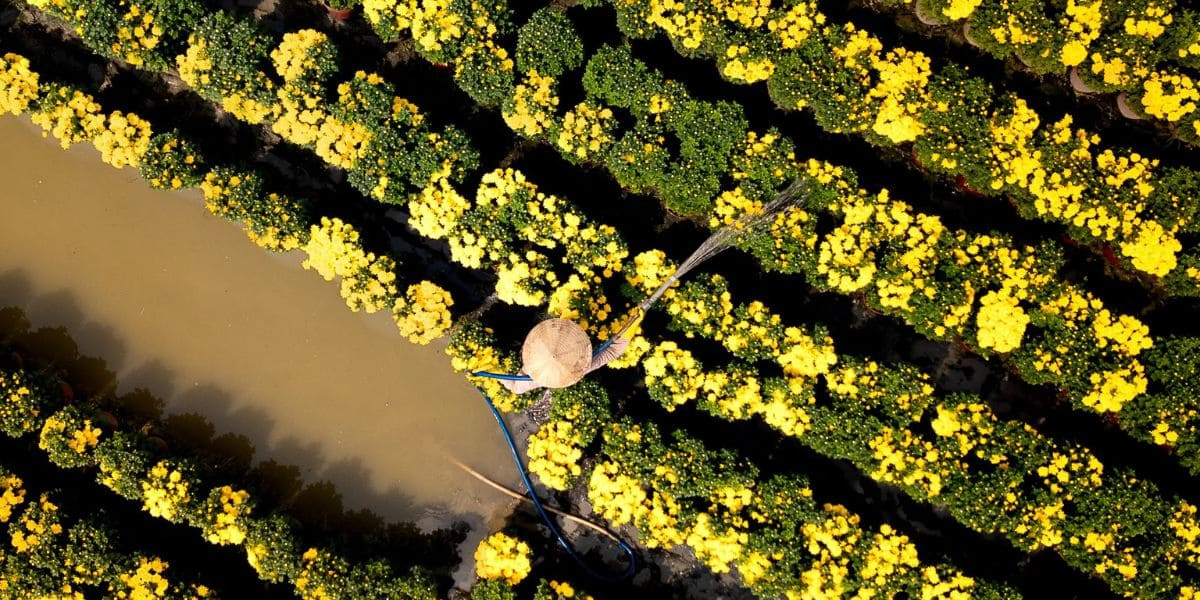
What makes Vietnam’s weather in January special? - Source: Felix Schickel
Vietnam’s geography spans many latitudes, creating three distinct weather regions in January. This is one of the rare times when travelers can experience three distinct seasonal atmospheres within the same country.
2.1. Northern Vietnam is cool and ideal for cultural and scenic exploration
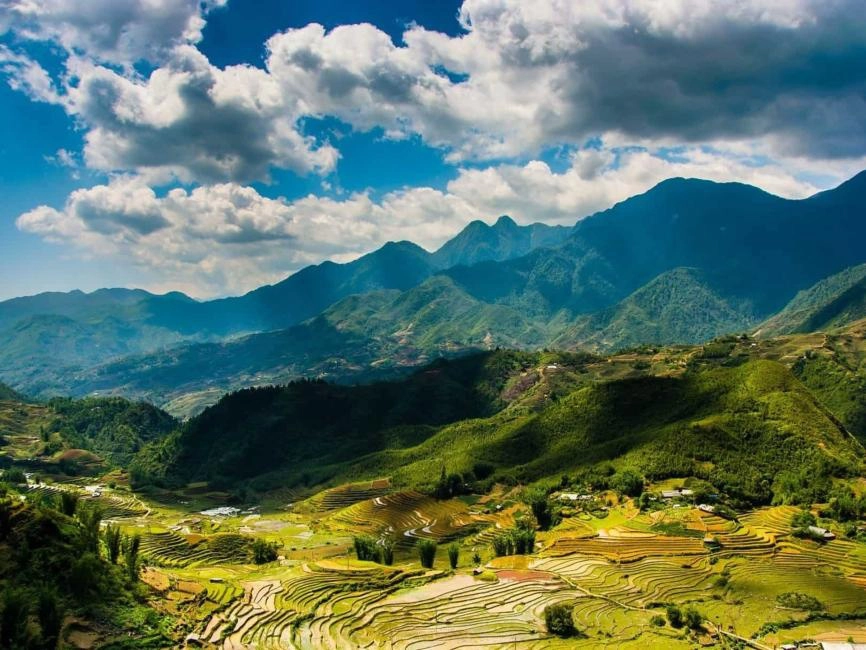
The northeast monsoon brings temperatures in the northern plains down to around 15 to 20°C, and sometimes below 5°C in highland areas such as Sa Pa. January is also known for thick fog and high humidity, which may reduce visibility during cruises in Ha Long Bay.
However, this crisp cool weather helps travelers avoid dehydration and provides comfortable conditions for long-distance trekking in the mountains or walking tours around historical sites.
2.2. Central Vietnam becomes more pleasant after the rainy season
Central Vietnam has very distinct weather patterns in January. The northern part of Central Vietnam, including Hue and Da Nang, is often cloudy and cool, with temperatures around 20 to 24°C and occasional light rain. Meanwhile, the southern part of Central Vietnam, from Nha Trang southward, is usually clearer and warmer, at around 26 to 28°C.
Due to active wind patterns, the sea in Central Vietnam can have strong waves and colder water at this time, making it less ideal for swimming. In return, the cooler microclimate is excellent for exploring outdoor heritage sites and cultural landmarks.
2.3. Southern Vietnam is sunny and suitable for beach holidays and relaxation
Southern Vietnam enters its most stable weather period of the year in January, with temperatures ranging from 28 to 32°C. Rainfall is minimal, and lower humidity helps reduce the heavy, muggy feeling often found in hotter months.
In beach destinations such as Phu Quoc and Con Dao, January usually brings calm currents, gentle seas, and excellent underwater visibility. These natural conditions make the region ideal for snorkeling, stand-up paddleboarding, and other water sports.
3. Where should you go in Vietnam in January?
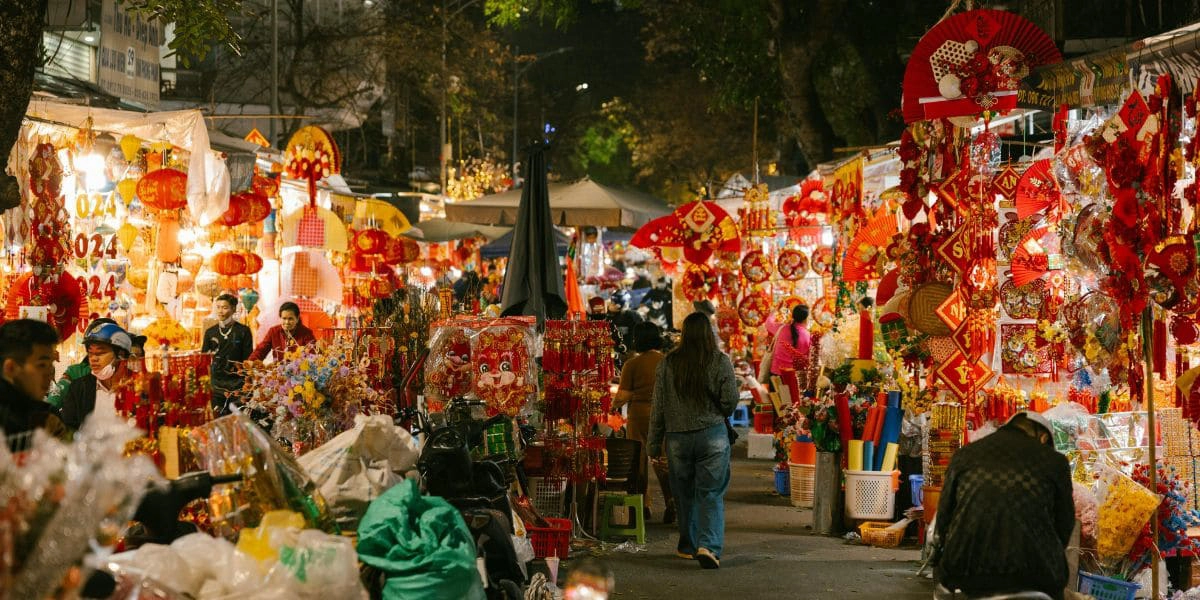
Where should you go in Vietnam in January? - Source: HONGSON
January’s diverse climate makes it easier to design an itinerary that matches your personal travel preferences. Below are some of the best destinations, grouped by their distinct weather conditions.
3.1. Best time to visit Vietnam January for travelers who enjoy cool weather
A journey through the higher latitudes of Northern Vietnam will immerse you in the romantic beauty of winter and the lively cultural rhythm of the pre-Tet season.
Hanoi
Winter in the capital is closely tied to its distinctive street food culture. You can sit on an old street corner, enjoy a steaming bowl of beef pho, or sip a warm cup of egg coffee. This is also a perfect time to visit Quang Phu Cau incense village, where thousands of bright red incense bundles create a striking, artistic photo scene.
Sa Pa, Lao Cai
The greatest charm of Sa Pa in January lies in the contrast of colors within the misty landscape. Along mountain passes and across Muong Hoa Valley, white plum blossoms and pale pink peach blossoms brighten the highland scenery. After a long day of trekking, soaking in a traditional Red Dao herbal bath is a wonderful way to restore your energy.
Ha Giang
Visiting the Dong Van Karst Plateau at the beginning of the year lets you experience the authentic daily life of H’Mong and Lo Lo communities. Early-morning highland markets are lively gathering places filled with local produce, colorful brocade clothing, and steaming pans of thang co, offering a vivid look into local culture.
Ninh Binh
In January, the water level in the wetlands is lower and clearer, revealing a beautiful layer of aquatic plants beneath the surface. Boat routes in Trang An or Tam Coc take you through dry and safe limestone caves. Surrounded by majestic karst mountains, the atmosphere feels peaceful and solemn, making it especially suitable for scenic and spiritual journeys.

3.2. Destinations for travelers who prefer warm sunshine
If you want to escape the early-year chill, the Central Highlands and Southern Vietnam will welcome you with sunny days and a lively local trading atmosphere.
Da Lat, Lam Dong
The highlight of this highland city at the beginning of the year is the blooming season of cherry apricot blossoms. Sloping roads such as Tran Hung Dao Street and the area around Tuyen Lam Lake are covered in vibrant shades of pink. The clear sky also creates ideal visibility for early-morning cloud-hunting tours at Cau Dat tea hill, where you can admire a majestic sea of clouds drifting over the landscape.
Ho Chi Minh City
The city’s vibrant nightlife is an experience you should not miss. Walking streets are often filled with lively street performances and a dynamic urban atmosphere. Travelers can also explore local alley culture through motorbike food tours, weaving through narrow lanes to enjoy seafood, banh xeo, and other street dishes in the city’s energetic, sleepless setting.
Dong Thap
One of the brightest highlights of the Mekong Delta in January is Sa Dec flower village, where thousands of ornamental flowers bloom under the sun. Unlike flowers grown directly in the ground, many flowers here are cultivated on raised platforms above the water. Visitors can ride a small sampan through rows of flowers, enjoying both the colorful scenery and the gentle fragrance around them.
3.3. Destinations for beach holidays and resort stays
Making the most of calm seas and a low risk of storms, the tropical coastal destinations in Southern Vietnam are perfect for relaxing and recharging.
Phu Quoc, Kien Giang
Take full advantage of the calm sea with high-speed canoe tours to untouched islands such as Mong Tay Island and May Rut Island. In the evening, night squid fishing in the open sea offers an exciting experience, especially when you can enjoy freshly caught seafood right on the boat deck. Large-scale amusement parks on the island also operate their outdoor activities smoothly during this season.
Mui Ne, Binh Thuan
The combination of sand dunes and coastline creates strong tropical winds, making Mui Ne one of Asia’s leading kitesurfing hubs. Whether you are an experienced rider or a beginner, training schools along the beach are available to help you get started. Sandboarding at the Flying Sand Dunes is also a fun and active experience worth trying.
Con Dao, Ba Ria - Vung Tau
The island’s ecosystem is especially stable at this time, making it ideal for exploring Con Dao National Park. Trekking routes through the primary forest bring travelers closer to the island’s unique flora and fauna. In addition, visiting historical sites and Hang Duong Cemetery at night offers a quiet, solemn, and deeply moving experience.
Thanks to the combination of mild weather and a lively festive atmosphere, January can be considered the best time to visit Vietnam January. This distinctive climate diversity allows Vietnam to satisfy every type of traveler, whether you love the cool charm of the North or prefer the warm sunshine of the South. To turn these expectations into a truly memorable journey, contact Joytime Travel Agency today!
|
Joytime Travel Agency - Travel JOY, TIMEless Vietnam Safe, Seamless, Satisfying, Sustainable Follow us for travel tips, local insights, and exclusive offers:
|

Danish Nguyen
Danish Nguyen is a renowned travel blogger in Vietnam with over 5 years of experience sharing unique travel experiences. With a passion for exploring new places, Danish captures incredible moments and provides readers with valuable tips to discover the beauty of his homeland.